
Box Profile Roofing Sheets & Cladding

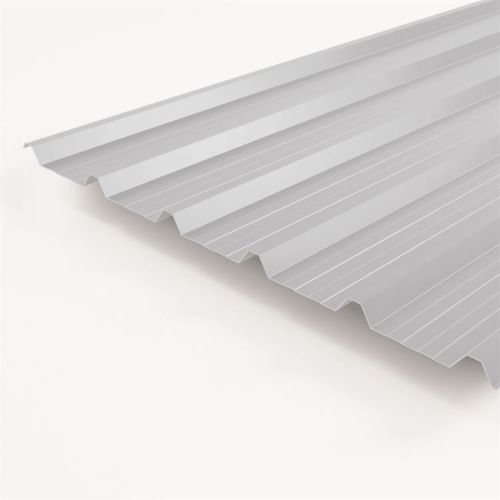
- Bestseller
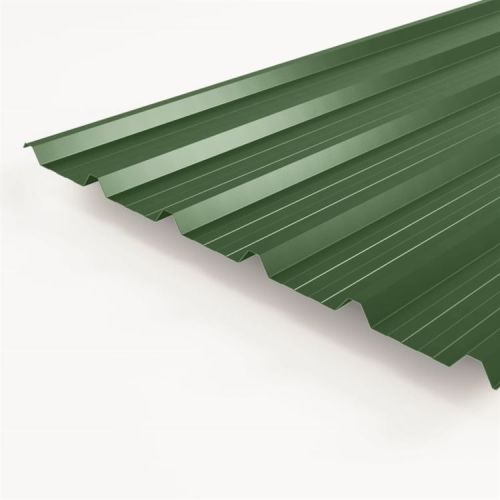
- Bestseller
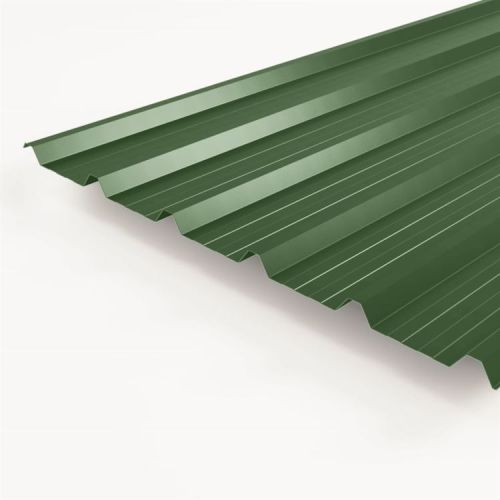
- Bestseller
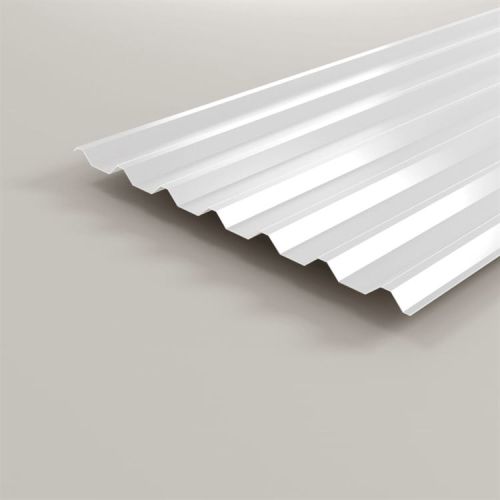
- Bestseller
- Bestseller
- Bestseller
Frequently Asked Questions
How Much Do These Sheets Cost?
The cost of an uncoated box profile sheet is around £10 per square meter. This then increases to between £11 – £13 per square meter with a polyester or plastisol coating. Whilst this may seem costly, they are incredibly cost-effective over their 15 – 30 year lifespan.
Which Coating is Best?
The ideal coating for your project will depend upon both your budget and use. Whilst both a polyester and plastisol coating provide between 20 - 30 years of use, there is around £2 per square meter difference between the two with a plastisol coating providing the greatest level of protection.
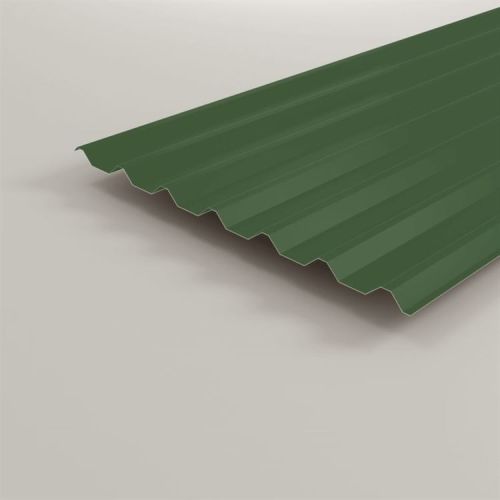
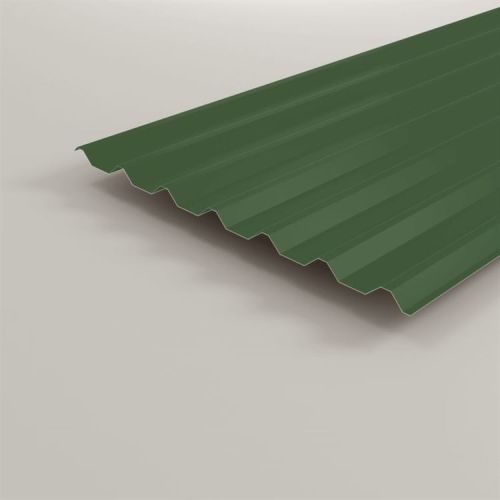
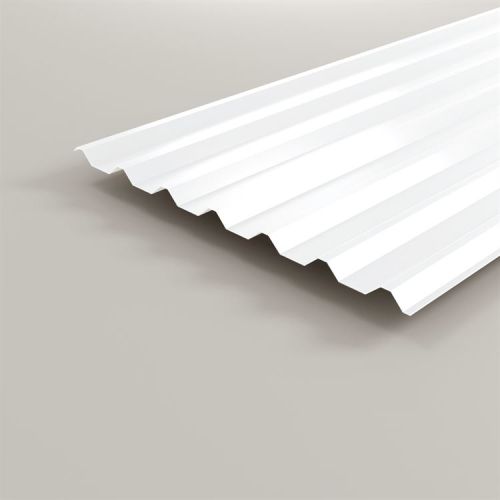
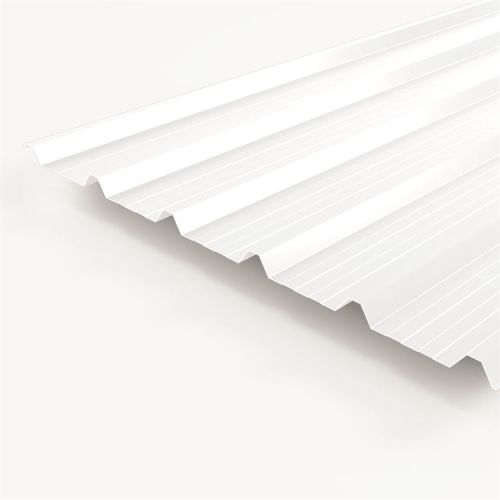
Each of our coatings are available in a choice of colours. This includes black, white, green, and grey to name but a few. This allows you to ‘match’ your box profile cladding with either adjacent buildings or perhaps your brand colours.
What Thickness of Sheet Should You Buy?
Box profile sheets are available in a choice of 0.5mm and 0.7mm thicknesses. As you may suspect, the thicker 0.7mm offers greater strength but at a noticeably higher cost. Whilst 0.5mm thick sheet cost around £10 per square meter, a 0.7mm sheet will cost roughly £12 per square meter.
We typically recommend that you use the 0.7mm option on roofing projects. This offers superb protection against debris, hail, and more. The 0.5mm option is best suited for cladding walls as they demand less strength. You can, therefore, combine the two thicknesses on projects where you'll be cladding both roofs and walls.
Do You Need an Anti-condensation Membrane?
It’s common for condensation to form when the warmer air from within a building meets the cooler surface of a roof. This could result in water droplets forming before dripping onto whatever may be stored beneath, such as goods or livestock.
An anti-condensation membrane is placed on the undersides of our box profile sheets. This then absorbs moisture before releasing it again when the temperature is more ideal. This allows the moisture to simply return to the air rather than dripping below.